Do High-End Luxury Brands Ever Go on Sale? Insider Guide
Introduction
It is a common misconception that high-end houses never reduce prices, but the reality is that do luxury brands go on sale only under specific, controlled circumstances. While iconic fashion houses rarely offer public markdowns, third-party retailers often manage seasonal price adjustments for the same designer goods.
This article examines why luxury brands avoid discounts to protect their brand equity and maintain their status as Veblen goods. Readers will learn the difference between direct-to-consumer boutique policies and multi-brand department store markdowns. We also cover the mechanics of private sales for VIP clients, how inventory management influences pricing, and why major houses prioritize price integrity over volume-based sales strategies.
How Luxury Sales Work
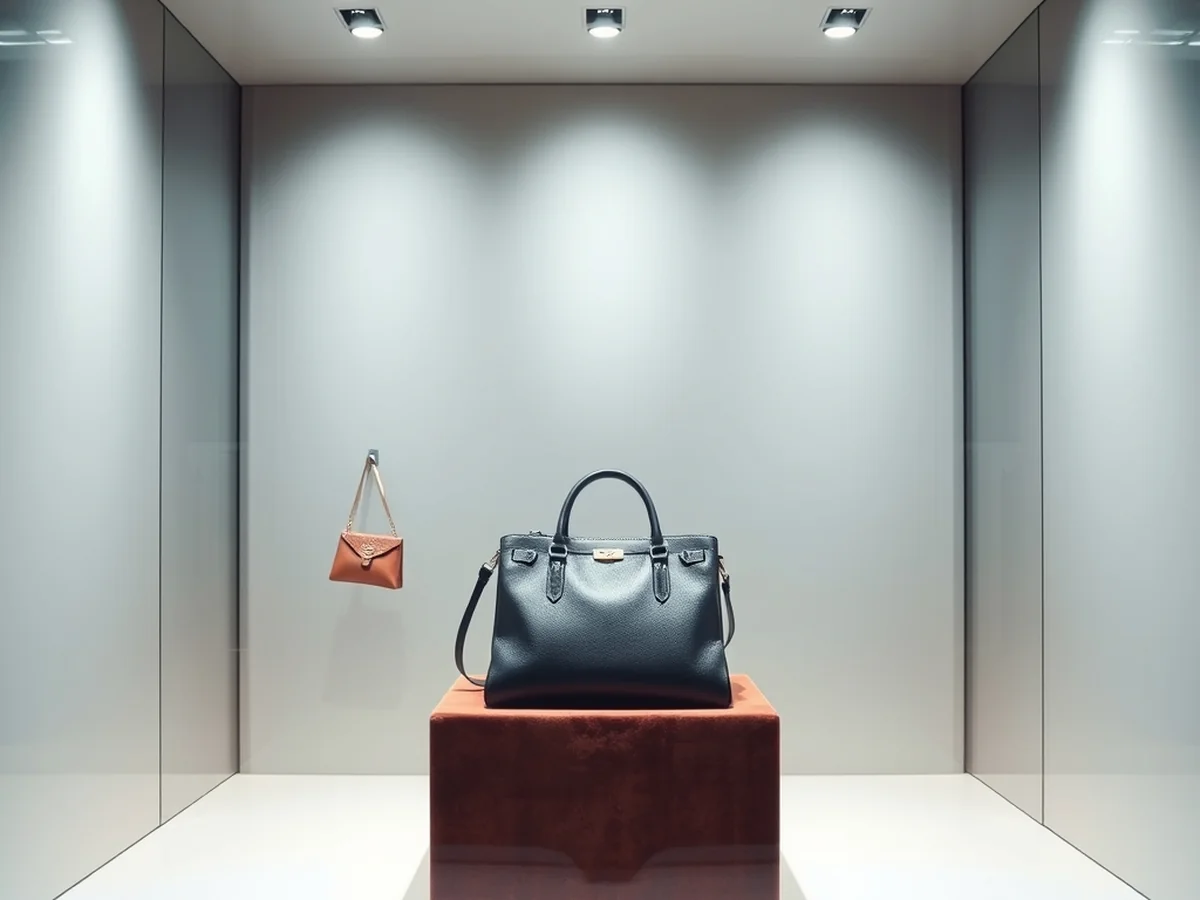
True luxury houses rarely offer public markdowns because their pricing strategy relies on maintaining a rigid association between cost and prestige. While mass-market retailers often utilize discount cycles to clear inventory and stimulate demand, high-end labels view price stability as an essential component of their identity.
The core distinction lies in how these businesses manage inventory and consumer expectations. Mass-market retail frequently employs a model of seasonal depreciation, where goods are marked down to make space for incoming stock. Luxury brands, conversely, prioritize scarcity. They often prefer to destroy unsold goods or transfer them to internal archives rather than devaluing their catalog through public discounting.
This approach protects brand equity, which is the perceived value and reputation a name carries in the minds of consumers. If a brand frequently lowers its prices, it signals to the market that the items were overpriced to begin with. This diminishes the status-signaling function of the goods, a concept often linked to the Veblen effect. According to this economic theory, the demand for certain luxury items actually increases as their price rises, because the high cost itself serves as a marker of exclusivity.
Maintaining a consistent price point is a strategic tool to prevent training customers to wait for a discount. By avoiding markdown cycles, houses ensure that their products retain significant secondary market value. This stability reinforces the idea that an item is an investment rather than a disposable commodity. While some houses like Chanel have historically increased retail prices during periods of global economic uncertainty to further cement their position as stable assets, others focus on strictly controlling distribution channels to prevent unauthorized discounting.
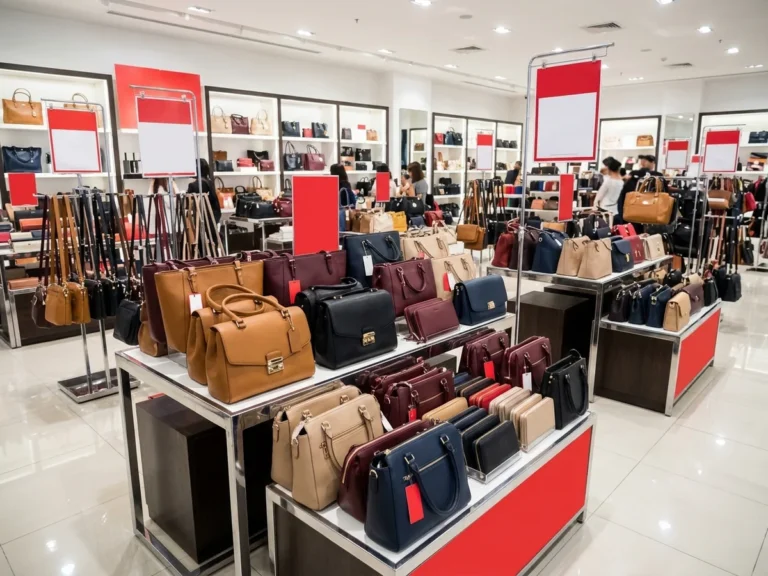
It is important to differentiate between official boutiques and third-party retail partners. Department store concessions or multi-brand platforms may occasionally host seasonal markdowns to manage their own specific inventory requirements. These activities are distinct from the policies of the luxury houses themselves, which typically keep their own boutique prices firm throughout the year.
Why Luxury Brands Limit Sales
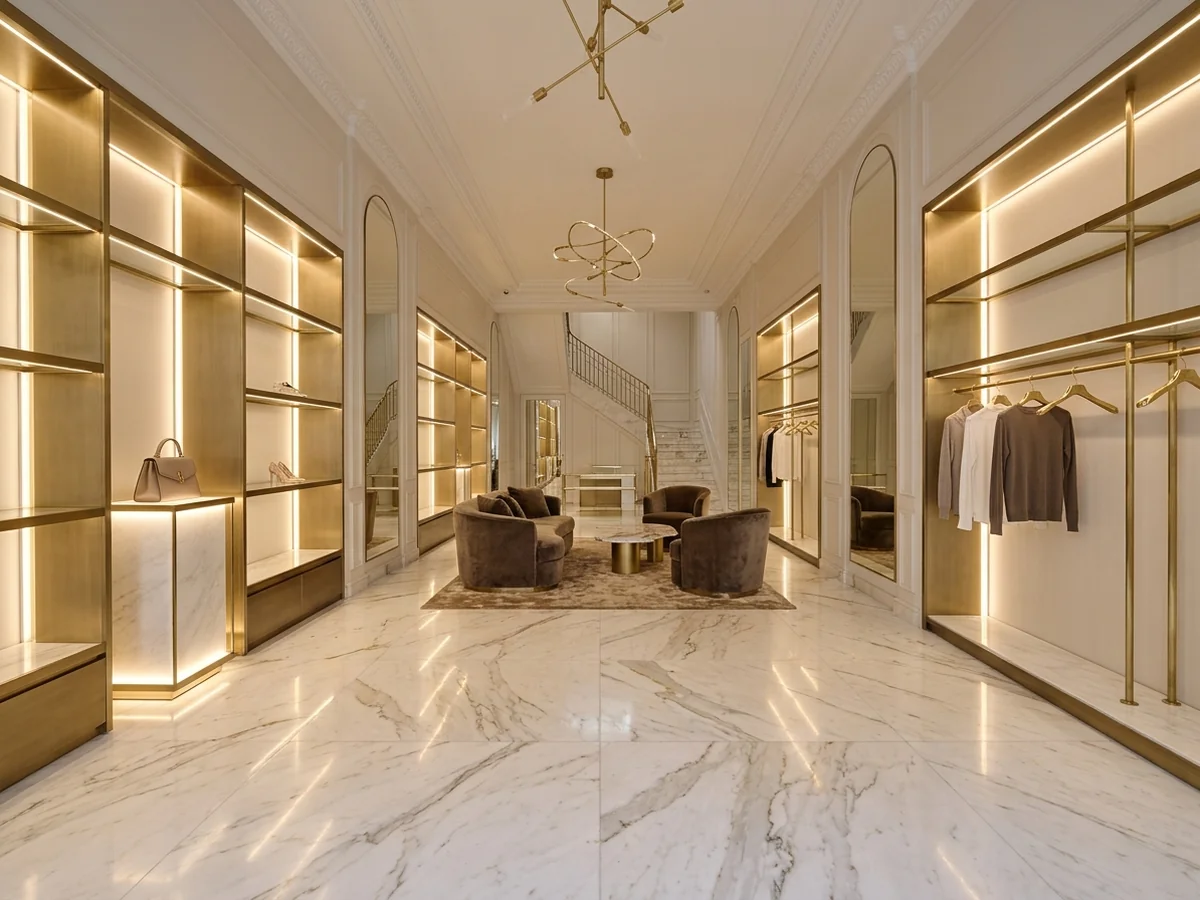
Luxury houses avoid discounts because their business model relies on maintaining perceived exclusivity and high market value. Reducing prices can signal that a product is no longer desirable, which undermines the very status that customers pay a premium to acquire.
This approach often aligns with the Veblen effect, a concept identified in the late 19th century suggesting that for certain luxury items, demand actually increases as the price rises. When an object is seen as a sign of wealth or prestige, a lower price tag can paradoxically make it less attractive to the core consumer base. By keeping prices high and consistent, these houses reinforce their position as aspirational symbols.
Brand equity is the most valuable asset for a high-end house. Frequent markdowns train customers to wait for lower prices, which damages the brand’s reputation and long-term financial stability. Protecting this image requires careful inventory management, as flooding the market with discounted goods devalues the brand for everyone who previously purchased at full price.
Resale value also plays a significant role in why luxury brands avoid discounts. High-end houses want their products to retain their worth on the secondary market. If a customer knows they can buy a bag for full price today and see it at half price in a few months, the product loses its status as an investment piece. Maintaining a firm pricing policy ensures that authentic items hold their value over time, benefiting both the manufacturer and the collector.
- Price stability signals that the brand is confident in its craftsmanship and market demand.
- Avoiding public markdowns helps houses prevent the brand dilution that often occurs when products become too accessible.
- Consistent retail pricing supports the secondary market, which is essential for maintaining the long-term desirability of classic items.
Boutiques vs Department Stores
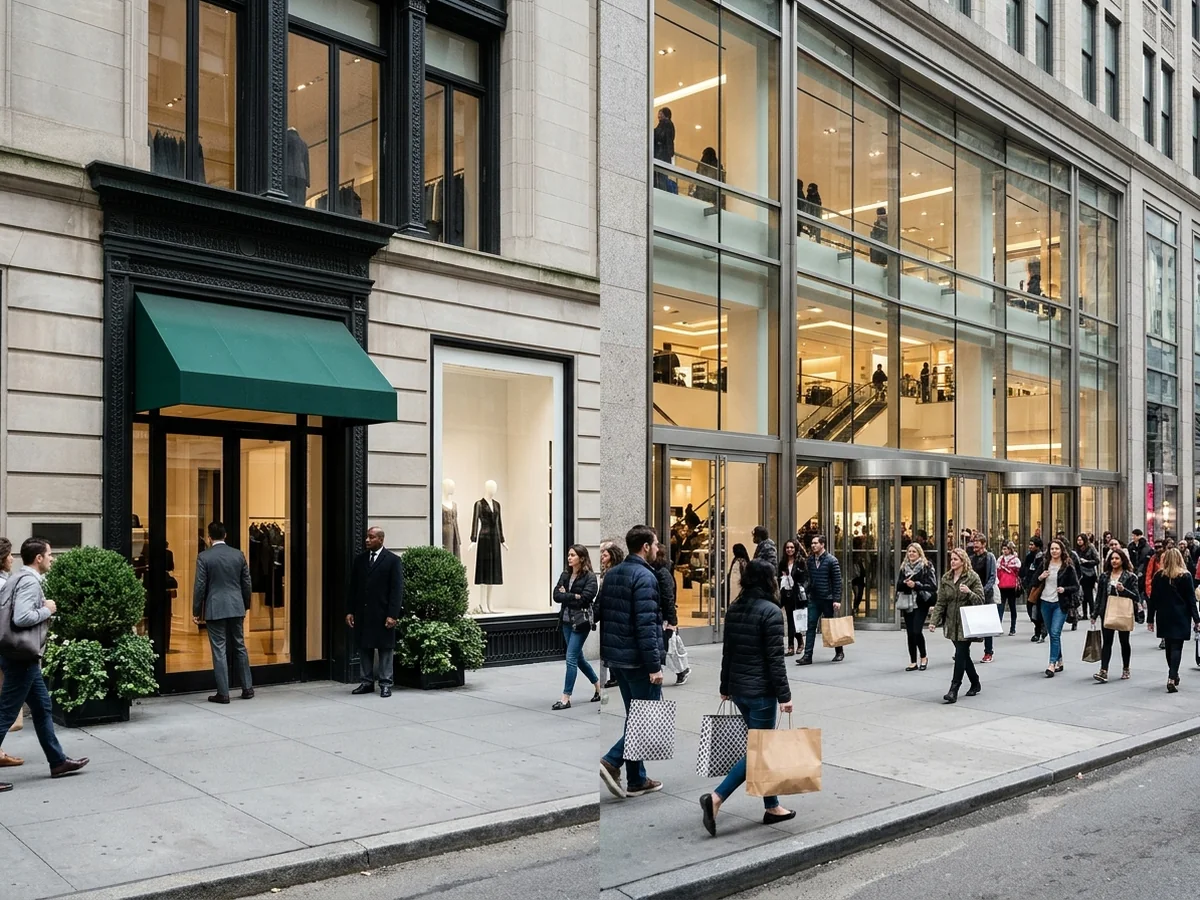
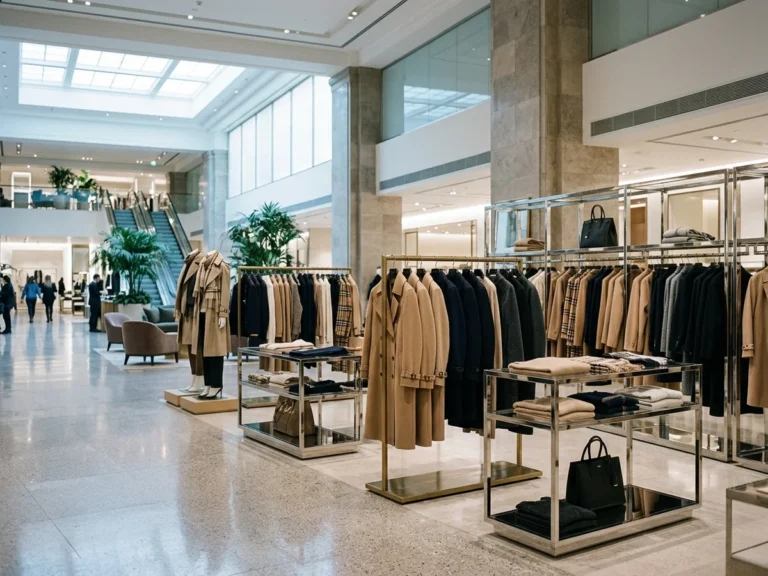
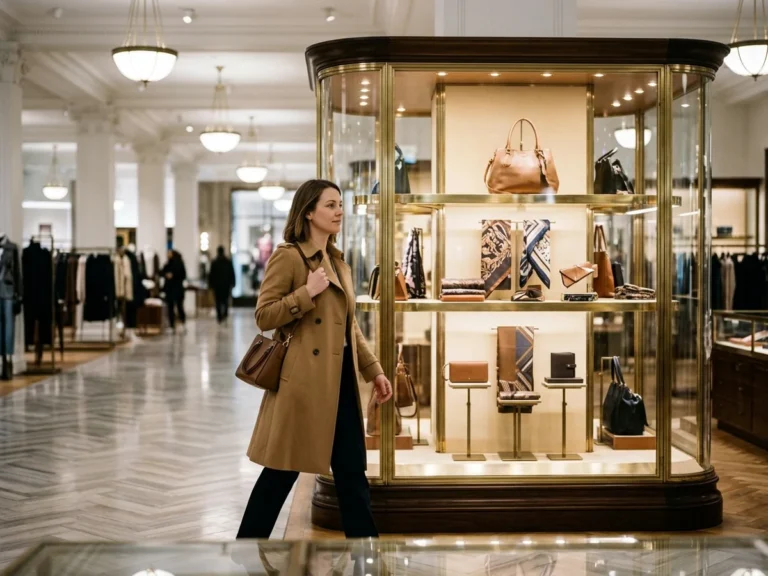
Understanding why luxury brands avoid discounts requires distinguishing between official brand boutiques and third-party retail environments. Official flagships serve as the primary stage for brand identity, where maintaining full retail price is critical to preserving brand equity. By keeping prices consistent, houses prevent the psychological effect where consumers delay purchases in anticipation of future markdowns. This strategy aligns with the Veblen effect, an economic concept often associated with Thorstein Veblen, which suggests that the high price of certain goods actually increases their desirability as status symbols.
| Feature | Official Brand Boutique | Department Store / Multi-brand Platform |
|---|---|---|
| Public Markdowns | Rare or non-existent | Regular seasonal events |
| Inventory Control | Directly managed by the house | Managed by the retailer |
| Goal | Maintain brand prestige | Clear seasonal stock |
In contrast, department stores and multi-brand platforms operate under a different business model. When these retailers purchase inventory from luxury houses, they assume ownership of that stock. To remain profitable and free up floor space for new collections, these retailers must manage their own inventory cycles. Consequently, they may initiate seasonal markdowns on the items they possess. A common mistake among shoppers is assuming these discounts reflect the luxury house’s own pricing policy. In reality, the house has already realized its profit when it sold the goods to the retailer. The subsequent discount is a function of the retailer’s need to move stock, not a directive from the brand.
A significant point of confusion involves department store concessions. While a concession may look like an extension of the brand, the staff and the internal systems are often dictated by the department store’s operational requirements. If a particular category or seasonal colorway does not perform well, the store may choose to discount it to reclaim capital, regardless of the brand’s global stance on sales. This creates a fragmented experience where the same item might be full price at a flagship boutique but reduced at a partner store. For consumers tracking designer brand markdown policies, understanding this distinction is essential for navigating the secondary market and identifying where authentic designer sales actually originate.
Luxury Pricing and Recessions
High-end houses rarely lower prices when the economy struggles. Instead of offering reductions, companies like Chanel typically respond to economic uncertainty by increasing their retail prices. This practice serves to reinforce the value of their goods while protecting the brand from the perception of being accessible to the mass market.
This strategy relies on maintaining strict control over inventory. By choosing to raise prices rather than resorting to designer brand markdown policies, these houses ensure that their products remain symbols of status. When retail prices climb during a downturn, it sends a clear signal that the brand is immune to broader market pressures.
This approach is deeply rooted in the psychology of the aspirational consumer. Common guidance suggests that this behavior aligns with the Veblen effect, an economic concept identified in 1899. According to this theory, demand for certain luxury items actually increases as their price rises because the high cost itself becomes a desirable feature. For the consumer, a higher price tag validates the prestige associated with owning the item.
Maintaining high price points functions as a protective barrier for brand equity. If a company were to discount its items during a recession, it would risk teaching customers to wait for future price drops, which undermines the urgency of full-price purchases. By avoiding public markdowns, these houses cultivate a sense of exclusivity that is vital to their business model.
The decision to avoid sales during difficult times is not merely about profit margins. It is a deliberate move to manage brand perception and ensure that every item retains its perceived worth. Through this lens, pricing becomes a tool for communication, signaling to the world that the house remains committed to its legacy of scarcity and elite status, regardless of the global economic climate.
Private Sales and VIP Access
Luxury houses often limit price reductions to invite-only events rather than offering them to the general public. While many consumers ask do luxury brands go on sale, the answer is rarely a simple yes, as these firms prefer to keep discounts strictly out of the public eye to protect their long-term brand equity.
By restricting access, brands maintain a high level of exclusivity while still managing inventory effectively. This strategy ensures that their core customer base feels valued through personalized service. These curated, private sales for luxury clients are designed to clear stock without devaluing the perceived status of the items in the eyes of the broader market.
Brands rely on these methods to avoid the behavioral conditioning that comes with mass-market discounting. When a house chooses to hold a private event, it typically follows these operational standards:
- Invitations are extended exclusively to top-tier clients based on their historical purchase frequency and overall annual spend.
- The selection of items is often curated specifically for these individuals to ensure that high-demand pieces remain scarce in the public sphere.
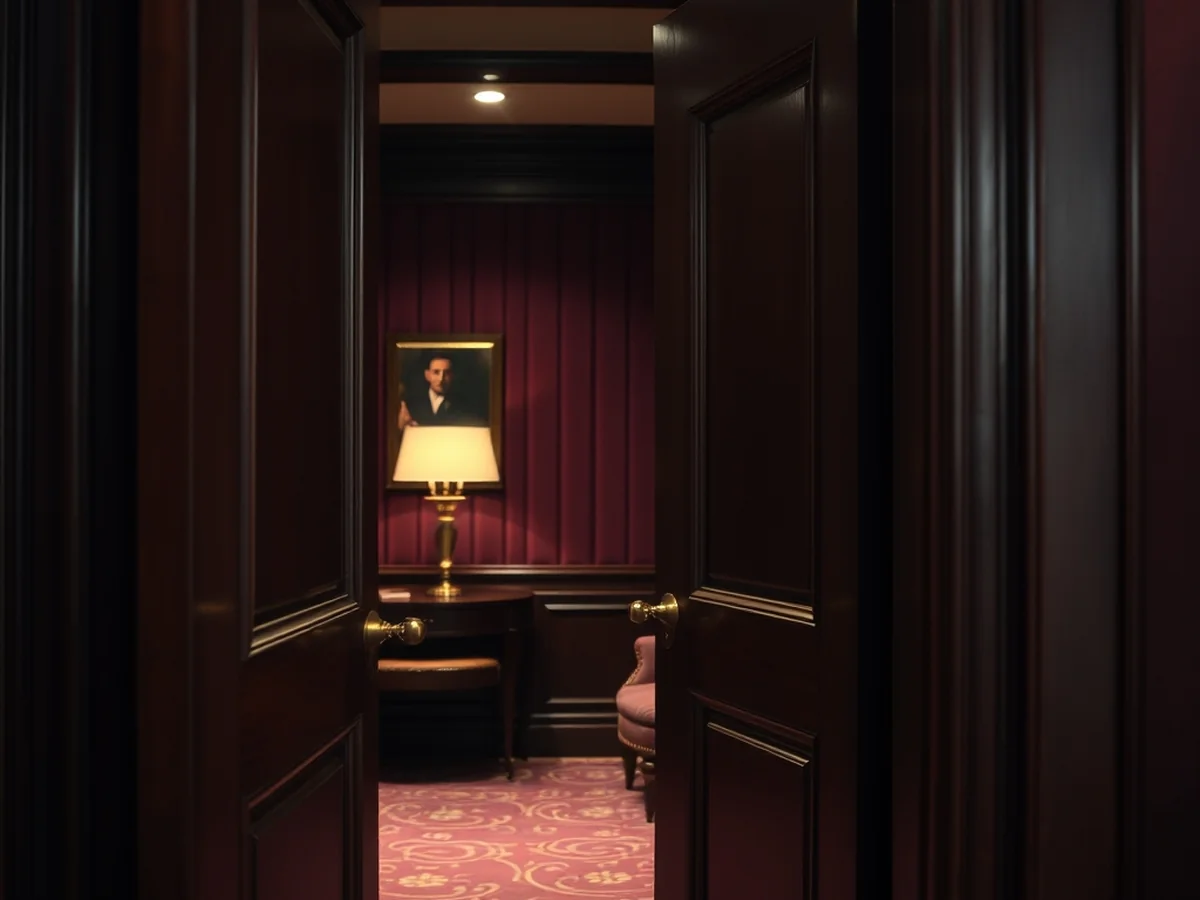
- Locations for these sales are chosen for privacy, frequently occurring in back-room boutique areas or dedicated, off-site venues rather than on the public retail floor.
- Discounted pricing is communicated through direct channels, such as personal client advisors, rather than through public advertisements or digital banners.
- The process prevents the brand from being associated with a cycle of seasonal markdowns, which is common in the broader fashion industry.
- Limiting the sale to a small, loyal group helps prevent the secondary market from being flooded with discounted goods, which could harm the brand’s prestige.
This approach keeps the discount culture away from the mainstream consumer. By keeping markdowns confidential, brands avoid the risk of their customers waiting for future sales instead of purchasing at full price. Maintaining this distance is a pillar of the luxury economic model, as it ensures that the perceived value of the product remains intact regardless of the season.
The Secondary Market Reality
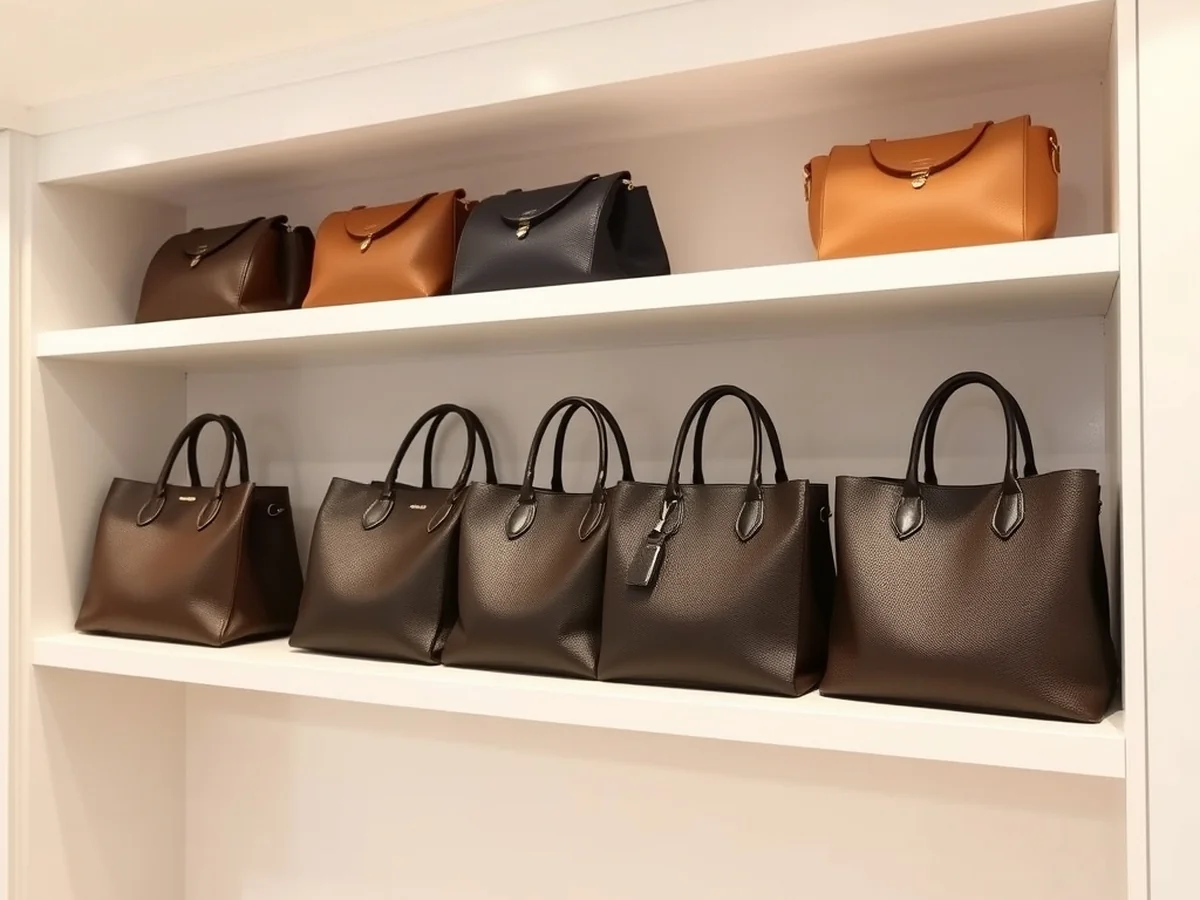
Luxury brand secondary market value remains directly tied to primary retail pricing, as consistent high costs protect the long-term desirability of these items. When a brand avoids public markdowns, it helps items retain their worth in the resale market. This stability is often linked to the Veblen effect, which suggests that demand for certain status symbols increases as their price rises, reinforcing the notion that rarity and exclusivity drive value.
Buying pre-owned goods offers a practical alternative to waiting for elusive retail discounts. This market allows consumers to access sought-after pieces at lower entry points, though it requires careful verification to ensure authenticity. While pre-owned items lack the pristine experience of a boutique purchase, they often provide the only viable way to acquire products from houses that strictly control their inventory and refuse to lower prices.
Retail sales for high-end goods are generally confined to multi-brand department stores or online platforms rather than official brand-operated boutiques. If you are searching for where to find authentic designer sales, reputable secondary market channels serve as the primary destination. These platforms offer a curated selection of pre-owned goods that have already depreciated from their original retail cost, providing a more accessible path to luxury ownership.
- Consider the authentication process of any secondary platform to ensure the items are genuine.
- Understand that pre-owned pricing fluctuates based on model popularity rather than seasonal inventory cycles.
- Recognize that while Chanel has historically increased its retail prices during periods of global economic uncertainty, these shifts affect both primary boutiques and the secondary market valuations.
Choosing between a new retail purchase and the pre-owned market involves weighing the benefits of full brand experience against potential cost savings. A boutique purchase secures the full service and warranty of a new item, but the secondary market offers a wider range of archived styles that are no longer available in stores. By focusing on reputable channels, you can navigate these options while mitigating the risks associated with unauthorized or counterfeit goods.
Avoiding Counterfeit Traps

You should approach any website promising significant markdowns on high-demand, iconic designer items with extreme caution, as these offers are almost always fraudulent. Genuine luxury houses maintain strict control over their inventory and distribution, meaning they rarely authorize deep discounts through unauthorized online channels.
Protecting your investment requires recognizing the common tactics used by illicit vendors to mimic legitimate retailers. Keep the following red flags in mind when shopping for designer goods online:
- Check the website URL carefully to ensure it matches the official domain of the brand or a well-known, established department store.
- Avoid sites that display an overwhelming number of products at heavily reduced prices, as this often indicates a catalogue of counterfeit inventory.
- Be wary of poorly designed websites featuring broken links, low-resolution images, or grammatical errors in product descriptions.
- Look for secure payment methods, as fraudulent sites often demand wire transfers or cryptocurrency payments that offer no consumer protection.
- Investigate the return policy, because legitimate retailers provide clear, accessible information regarding exchanges and refunds, whereas scam sites often have vague or non-existent policies.
- Verify the contact information, since authentic luxury retailers provide legitimate business addresses and responsive customer service channels.
The safest way to acquire authentic goods is by purchasing directly from authorized retailers or the brand’s own boutiques. Official channels provide the only guarantee of product authenticity and quality. Relying on unofficial sources often leads to financial loss and the receipt of inferior products that do not meet the standards associated with high-end manufacturing. By sticking to verified platforms, you ensure that you are investing in genuine brand equity rather than participating in the illicit market for replicas.
Brand Policies on Discounts
Most premier fashion houses strictly avoid public markdowns to preserve brand equity and maintain their status as Veblen goods. While the Veblen effect suggests that higher prices can actually increase the desirability of an item, top-tier houses like Hermes and Chanel maintain this perception by keeping retail prices steady or increasing them during periods of economic uncertainty. These brands rarely participate in traditional seasonal sales.
| Brand Category | Primary Pricing Strategy | Seasonal Markdowns |
|---|---|---|
| Hermes | Strictly full price | Never |
| Chanel | Strictly full price | Never |
| LVMH (House dependent) | Varies by label | Third-party only |
The distinction between direct-to-consumer boutiques and multi-brand retailers is critical for understanding seasonal price shifts. While official boutiques for houses like Hermes and Chanel do not host sales, department store concessions or multi-brand online platforms may offer markdowns on specific items at their own discretion. This occurs when third-party retailers manage their own inventory and choose to clear stock, rather than the brands themselves initiating price cuts. LVMH labels vary in their approach, as some larger houses operate with more flexible inventory strategies than the most exclusive fashion ateliers.
Consumers often encounter myths regarding factory outlets and hidden discount channels. Many legendary houses do not operate company-owned outlet stores, despite rumors suggesting otherwise. If a product appears at an outlet, it is often not a standard boutique item but rather part of a separate product line created specifically for that retail environment. Authentic flagship products rarely transition to outlet inventory. Instead of waiting for public discounts, high-end clients may occasionally access private sales, which are invite-only events limited to established, long-term customers. These private opportunities remain distinct from general public markdowns and serve to reward loyalty rather than clear stagnant stock.
FAQ
Do luxury brands ever go on sale?
True luxury houses rarely offer public sales because they prioritize brand equity and maintaining a consistent price point. While you might see seasonal markdowns at third party department stores or multi brand boutiques, the official boutiques of major houses typically maintain full retail prices year round.
Why do luxury brands avoid discounts?
Limiting markdowns protects the brand perception of exclusivity and avoids training customers to wait for price reductions. This strategy is often linked to the economic concept known as the Veblen effect, where higher prices can actually increase the desirability of a product among status conscious consumers.
Do brands like Chanel or Hermes ever have clearance events?
These houses generally avoid clearance sales entirely as part of their strategy to preserve the value of their goods. Historically, brands like Chanel have even increased retail prices during periods of global economic uncertainty to reinforce their position in the market.
What is the difference between boutique sales and department store sales?
Department store concessions often manage their own inventory and may hold seasonal sales to clear stock, even if the luxury brand itself does not authorize discounts in its own boutiques. When shopping at a third party retailer, you are subject to that specific store’s pricing policies rather than the direct-to-consumer rules of the brand.
Are private sales for VIP clients common?
Some houses occasionally offer private, invitation only opportunities for loyal clients to access select inventory at reduced prices. These events are kept strictly confidential to avoid diluting the brand image while still managing inventory levels for established shoppers.
Conclusion
Deciding whether to wait for a discount requires understanding the difference between direct boutiques and third-party retailers. While many premium houses maintain strict full-price policies to protect brand equity, seasonal markdowns often appear at multi-brand department stores to clear inventory. If you are researching if do luxury brands go on sale, focus your search on these authorized retail partners rather than official brand flagships. If a specific item is essential to your collection, purchasing at full price remains the only way to guarantee availability and brand-certified condition. For seasonal trends, tracking inventory at major department store concessions is the most reliable strategy for finding authentic designer markdowns.
You might also like: YSL Outlet Store Locations in the US: Where to Find Them