
Where to Buy Discount Designer Clothes Online for Less
Introduction
You can find discount designer clothes online by navigating reputable luxury fashion outlet stores and established second hand luxury online marketplaces. These platforms provide access to high-end labels while offering significant savings compared to original retail pricing.
This guide covers the most reliable methods for securing authentic pieces without compromising on quality or style. We explore how to identify legitimate sales, the distinction between various types of discount retailers, and essential tips for finding cheap designer clothes through authorized channels. You will learn how to navigate flash sale designer websites, utilize professional authentication services, and manage your expectations regarding return policies and stock availability. By understanding these professional shopping strategies, you can build a refined capsule wardrobe while staying within your budget.
Building a Sustainable Luxury Wardrobe Without Overspending
Curating a high-end collection while remaining budget-conscious requires moving away from the cycle of trend-driven consumption. By prioritizing value over impulse purchases, you can acquire high-quality staples that retain their relevance for years. The goal is to build a foundation of timeless pieces from established luxury fashion houses that offer versatility across your existing rotation.
Understanding Different Discount Models
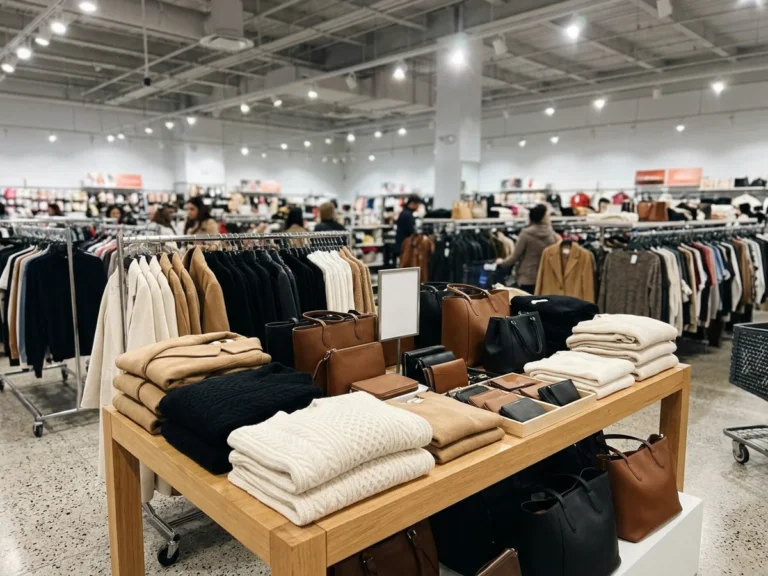
To acquire designer pieces effectively, it is helpful to understand the various channels available. Luxury fashion outlet stores often carry past-season items or specific production lines created for off-price department stores. In contrast, flash sale designer websites operate on limited-time windows, requiring quick decision-making. If you prefer pre-owned items, second hand luxury online marketplaces provide access to rare vintage finds and current-season goods at varied price points. Each of these avenues serves a different purpose, and knowing where to look is half the battle when trying to find cheap designer clothes.
Strategies for Smart Acquisitions
Investing in quality over quantity reduces the overall cost per wear. While a premium jacket or leather accessory might require a higher initial outlay, its durability ensures it stays in your wardrobe for years. To keep your spending aligned with your goals, consider these practical steps:
- Sign up for newsletters from your favorite retailers to receive alerts about seasonal clearance events.
- Prioritize neutral colors and classic cuts, as these pieces integrate easily into a minimalist capsule wardrobe.
- Research the heritage of a brand before committing, focusing on materials like cashmere, silk, and full-grain leather.
- Compare the pricing models of different retailers, as some platforms specialize in overstock while others focus on consignment retail.
Verifying Quality and Authenticity
A common mistake is prioritizing a low price tag over the integrity of the item. As you look for discount designer clothes online, the risk of brand counterfeiting increases. To protect your investment, always utilize reputable authentication services if the platform does not provide a guarantee. Check the return policy before purchasing, as many discounted items are final sale. Reviewing a seller on platforms like the Better Business Bureau can also offer insight into the reliability of a shop. By verifying the seller, you avoid the frustration of receiving inferior replicas.
| Source Type | Best For | Primary Benefit |
|---|---|---|
| Luxury Outlets | Past-season staples | Consistent inventory |
| Flash Sales | Current season deals | High-end variety |
| Resale Marketplaces | Rare or vintage items | Significant value retention |
Developing a discerning eye allows you to distinguish between true investment pieces and temporary trends. By focusing on longevity and quality, you ensure that every addition to your closet earns its place, creating a collection that respects both your personal aesthetic and your financial priorities.
Why Designer Prices Vary

Pricing for high-end fashion fluctuates based on the distribution model and the specific strategy each house employs to manage its brand image. When you search for discount designer clothes online, you will encounter different tiers of value that reflect how the merchandise reached the market.
The Tiered Structure of Discounted Luxury
Understanding where a piece originates is essential for managing expectations regarding quality and authenticity. The following table outlines how different market channels influence the pricing and nature of the goods you find.
| Market Channel | Pricing Driver | Product Origin |
|---|---|---|
| Off-Price Retailers | Inventory liquidation | Overstock from main collections |
| Outlet Exclusives | Lower production costs | Items made specifically for outlets |
| Resale Marketplaces | Supply and demand | Pre-owned or vintage items |
Distinguishing Outlet Goods from Main Collections
Many consumers confuse luxury fashion outlet stores with standard boutiques. While both sell high-end labels, outlet exclusive items are often manufactured specifically for off-price retail channels. These pieces may feature different materials or simplified construction techniques compared to the main line collections found in flagship boutiques. To avoid disappointment, always inspect product descriptions for details on composition and hardware.
Navigating Secondary and Flash Sale Markets
Second hand luxury online marketplaces operate on a model driven by individual sellers. Pricing here relies on the current demand for pre-owned items rather than original retail value. These pieces fluctuate based on scarcity, condition, and the overall resale value of a specific brand. Because this market is fluid, it requires a more cautious approach. Always prioritize platforms that offer independent authentication services to protect your investment from brand counterfeiting.
Similarly, flash sale designer websites offer temporary windows of opportunity to purchase authentic goods at a lower cost. These sites function by clearing seasonal clearance inventory directly from retailers. While these events can be excellent for finding high-quality pieces, they often come with strict final sale policies. Before making a purchase, verify the return policy and check the retailer against resources like the Better Business Bureau to ensure you are dealing with a reputable source.
Finally, remember that luxury fashion houses maintain strict price controls to protect their brand exclusivity. If a deal seems too good to be true, it often is. By focusing on established platforms and understanding the difference between diffusion lines and authentic main-line overstock, you can build a high-quality wardrobe while navigating the complexities of online luxury pricing.
Types of Discount Platforms
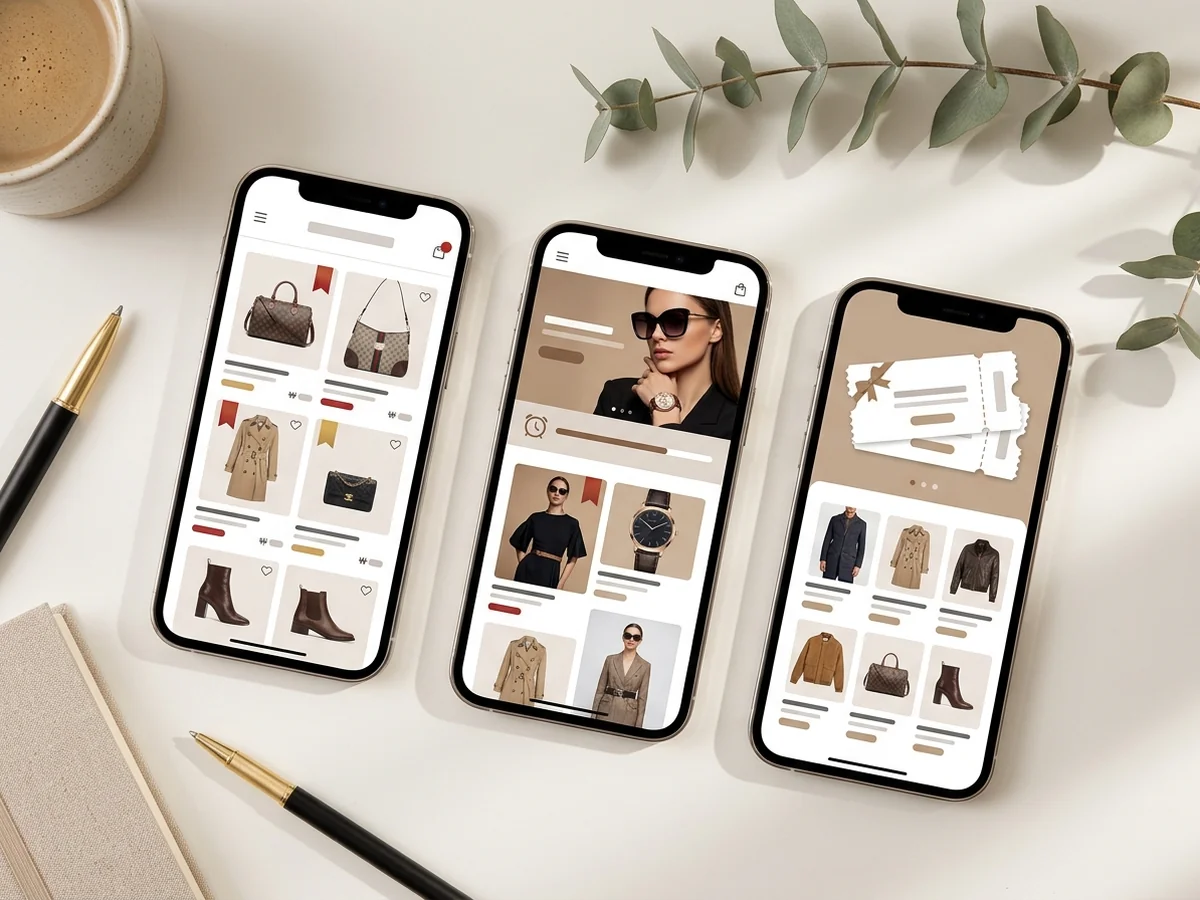
Building a curated collection of high-end apparel requires navigating various retail models. Finding discount designer clothes online typically involves choosing between platforms that host time-limited sales, physical or digital stores dedicated to manufacturer overstock, and peer-to-peer resale platforms. Each of these models serves a different shopping need, ranging from current season inventory to rare archived pieces.
| Platform Type | Typical Item Condition | Return Policy Flexibility |
|---|---|---|
| Flash Sale Sites | New (Past Season) | Often Restricted |
| Manufacturer Overstock Stores | New (Overstock) | Usually Standard |
| Peer-to-Peer Marketplaces | Varies (Used/New) | Seller Dependent |
Understanding Retail Models
Flash sale platforms operate on a time-sensitive model, providing access to curated inventory at significant price reductions. These sites are ideal for shoppers hunting for specific past-season items or designer diffusion lines. Because sales are often final, careful size selection is essential to avoid disappointment.
In contrast, stores that specialize in overstock inventory offer a more predictable experience. This model provides the most reliable return process, often mirroring the customer service standards of full-price boutiques. These retailers are best suited for buyers who prioritize new, unused items and reliable service over finding rare, vintage silhouettes.
Navigating Resale and Authenticity
Platforms that connect individual buyers and sellers offer the widest variety, including archived designs and unique vintage finds. These sites empower individual sellers, meaning condition descriptions and return policies vary significantly from one listing to the next.
When exploring these sites, prioritize those that include professional authentication services to mitigate the risk of brand counterfeiting. This is a vital step for high-value goods, as it ensures the validity of your purchase and protects your investment.
Proactive Shopping Strategies
Success in finding cheap designer clothes requires a blend of patience and preparation. One common mistake is ignoring the nuances of return policies, which vary drastically across platforms. Always read the fine print before finalizing a transaction, especially on sites where final sale designations are common. To gain an advantage, sign up for brand newsletters or track specific seasonal clearance events.
If your objective is to acquire new items from previous collections, flash sale sites or off-price department stores are generally the most secure options. For those seeking unique pieces that are no longer in production, consignment retail and specialized marketplaces remain the primary resources. By understanding the differences between these retail tiers, you can make more informed decisions that align with your personal style goals.
Verifying Authenticity Online

When searching for discount designer clothes online, the pursuit of a deal should never compromise the integrity of your wardrobe. Whether you are browsing platforms for pre-owned high-end goods or exploring websites that host time-sensitive sales, the rise of sophisticated replicas makes it essential to approach every purchase with a critical eye. Authenticity is the foundation of long term value, and understanding how to distinguish genuine articles from fakes protects your investment.
Assessing Seller Reliability
The most effective defense against counterfeit goods is thorough due diligence regarding the source. Businesses that specialize in selling discounted luxury goods and reputable consignment retail platforms typically have rigorous internal checks, but private sellers require more caution. Prioritize platforms that act as intermediaries, where items are physically inspected by experts before reaching the buyer. When evaluating a seller, look for a consistent history of positive feedback, clear communication, and a transparent return policy. If a seller is hesitant to provide additional photos or insists on moving the conversation to an unmonitored messaging app, this is a clear signal to pause the transaction.
Visual and Technical Inspection
While digital images can be manipulated, they often reveal discrepancies to a trained eye. High quality listings should feature multiple, high resolution photos taken from various angles, including close-ups of hardware, stitching, inner tags, and serial numbers. Generic stock photos are a common red flag, as they prevent you from seeing the actual condition of the specific piece. Compare the details in the images against known brand standards, such as the specific font style of brand logos or the quality of the lining fabric. If the documentation, such as original receipts or dust bags, is missing, consider whether the price reflects that risk.
Understanding Pricing and Market Realities
A common mistake is assuming that every low price is a hidden gem. While seasonal clearance events do offer genuine savings, prices that are drastically lower than the current market average for a specific item are rarely legitimate. Understanding the typical resale value of a brand helps you set realistic expectations. To help navigate the different levels of savings, refer to the following guide on how various sources manage their inventory:
| Source Type | Pricing Model | Authenticity Verification |
|---|---|---|
| Off-price department stores | Controlled markdowns | High: direct from brands |
| Flash sale sites | Time-limited discounts | High: vetted inventory |
| Resale marketplaces | Variable seller pricing | Dependent on platform policy |
Ultimately, the best sites for authentic designer sales are those that prioritize customer education and offer clear recourse if an item fails to meet expectations. Take your time to research the specific designer diffusion lines you are interested in, as these often have different manufacturing standards than mainline collections. By combining platform research with careful visual inspection, you can build a collection of timeless pieces with confidence, ensuring that your approach to finding cheap designer clothes remains both stylish and secure.
Tips for Finding Best Deals
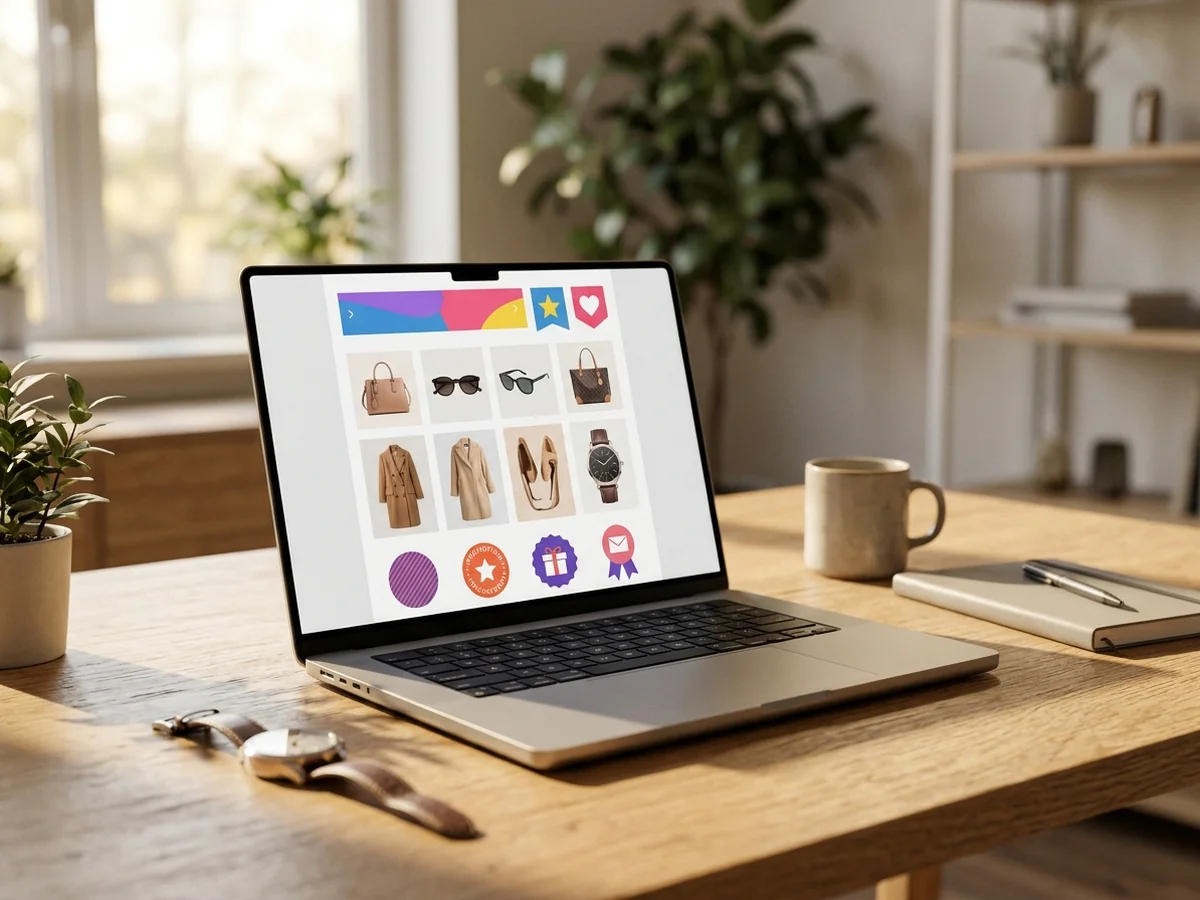
Securing high-end pieces at reduced prices often comes down to strategic timing and direct communication with retailers. By managing your approach to shopping, you can access exclusive opportunities that are not always visible to the general public.
Consider these effective strategies to discover significant savings on your next luxury purchase:
- Sign up for newsletters from your preferred retailers to receive notifications about private sales and early access to promotions before they reach the wider market.
- Time your shopping to coincide with the end of traditional fashion seasons, as stores frequently clear inventory to make room for incoming collections.
- Track the specific luxury fashion houses you admire to learn their recurring promotional windows, which often align with biannual inventory shifts.
- Use these tips for finding cheap designer clothes to maintain a disciplined budget while still building your ideal minimalist capsule wardrobe.
- Monitor online platforms that host limited-time discount events, as these retailers can offer substantial price reductions on high-quality items.
Newsletter subscriptions serve as a primary channel for brands to distribute unique codes and event invites. These communications often alert loyal customers to secret markdowns, allowing you to secure items before stock depletes during public sales. While the frequency of these emails can vary, the potential for early access makes them a valuable tool for any savvy shopper.
Beyond individual store communications, understanding the retail calendar is essential for managing your expectations. Major retailers typically refresh their inventory twice a year, leading to predictable periods when previous season merchandise is marked down significantly. Aligning your wishlist with these natural retail cycles helps you avoid impulse buys and focus on acquiring investment pieces at their most accessible price points.
Finally, keep a record of when your favorite brands typically offer promotions. Luxury fashion houses often follow consistent schedules for their sales events, making it easier to anticipate when a particular item might drop in price. Keeping track of these patterns allows you to shop with intention, ensuring you are prepared to act when the right deal appears.
Avoid Designer Shopping Scams
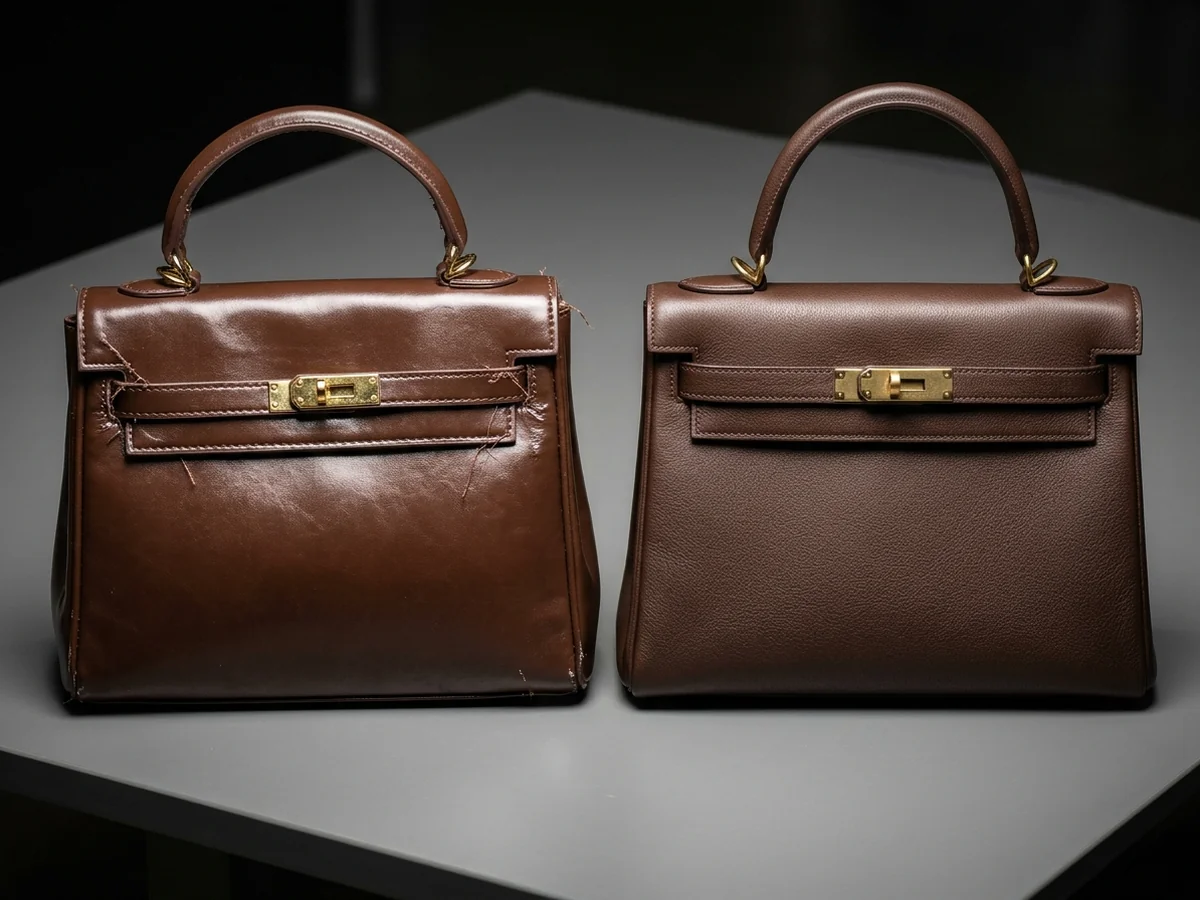
Protecting your budget when you search for discount designer clothes online starts with verifying the legitimacy of the retailer and the items they offer. Relying on unverified sources can lead to receiving counterfeit goods rather than the luxury pieces you expected.
Always investigate the reputation of a seller before you provide payment information. Reputable platforms often provide clear details about their sourcing, while suspicious sites may use stolen imagery or offer prices that seem too good to be true. If a website lacks transparent contact information or hides its physical location, treat it as a significant warning sign.
Be cautious of the final sale designation often found on marked-down items. Many retailers prevent returns on these purchases to clear inventory quickly, leaving you with no recourse if the item is damaged, poorly sized, or not as described. Read the fine print thoroughly before clicking the buy button, as you will likely be stuck with the item regardless of its condition upon arrival.
Impulse buying poses a major threat to your minimalist capsule wardrobe. A low price tag can make a piece feel like a bargain, but it quickly becomes a burden if it does not integrate with your existing style or fit your daily needs. Ask yourself if the item serves a specific purpose in your collection before committing to the purchase.
- Check for authenticating details, such as clear images of serial numbers and tags.
- Avoid retailers that refuse to provide information about their verification process.
- Prioritize pieces that fill an actual gap in your wardrobe rather than shopping for the sake of a discount.
- Understand that final sale items are usually non-refundable, increasing the risk of a wasted investment.
Authentication remains the most effective defense against fraud in the secondary market. Use independent authentication services if you have doubts about an item’s origin. Relying solely on a seller’s claims of authenticity is risky, as replicas have become increasingly sophisticated in mimicking the quality and branding of established luxury fashion houses. Verify every high-value purchase to ensure your money goes toward genuine craftsmanship.
Selecting High-Quality Designer Pieces
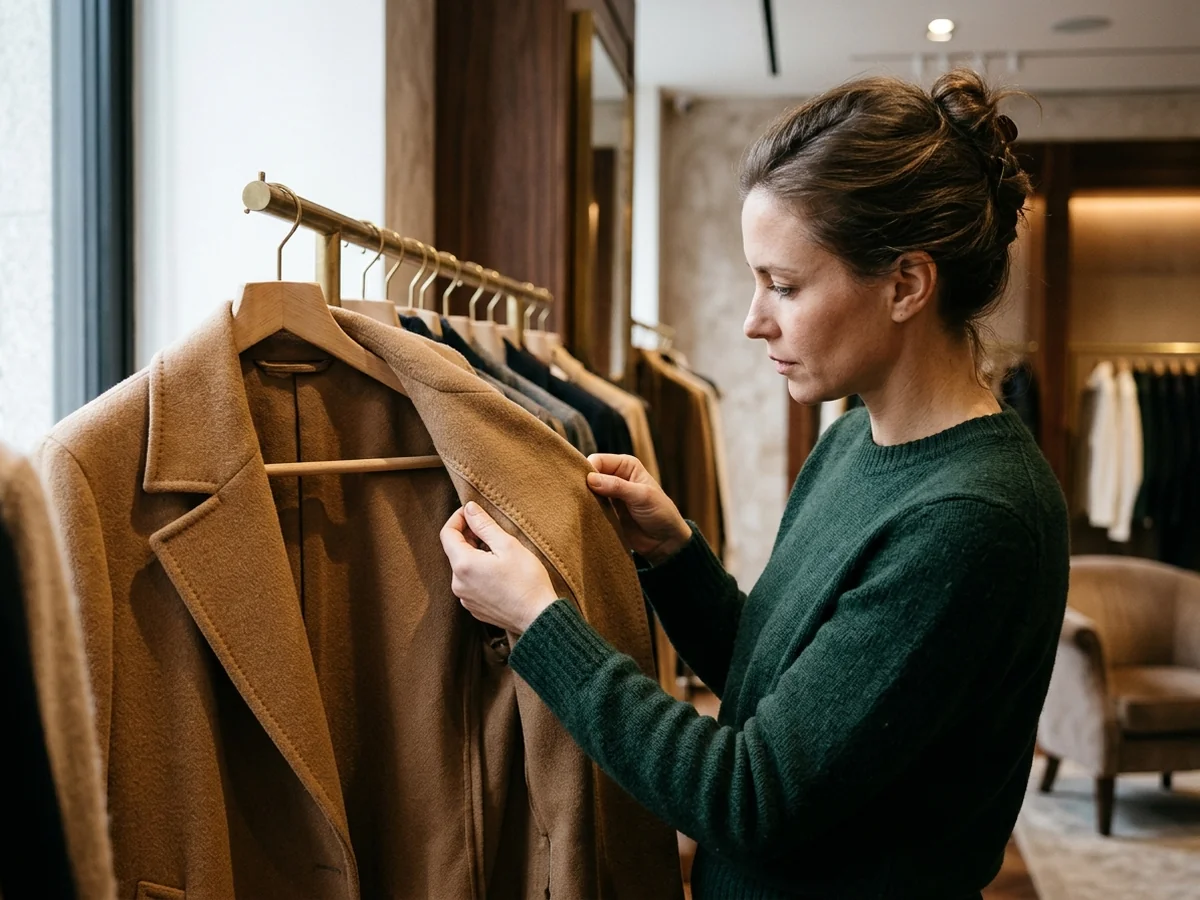
Building a minimalist capsule wardrobe requires a discerning eye for quality. Investment pieces are defined by superior construction, durable materials, and a timeless aesthetic that transcends seasonal trends. When searching for discount designer clothes online, it is essential to distinguish between genuine luxury items and goods produced specifically for mass-market channels.
Understanding Channel Differences
A common mistake is assuming all items found at off-price department stores or places where luxury brands sell past-season stock at reduced prices are identical to those sold in flagship boutiques. Many luxury fashion houses create specific product lines for these retail channels. These pieces may feature different hardware, alternative stitching techniques, or simplified fabric compositions compared to full-price boutique inventory. Before purchasing, check whether an item is part of a permanent classic line or a seasonal clearance collection, as this significantly impacts both initial quality and long-term resale value.
Verifying Authenticity
The rise of high-quality replicas makes verifying authenticity a critical step for any shopper. When browsing platforms for pre-owned high-end fashion, examine high-resolution photos for consistent branding, symmetry, and hardware weight. Reliable sources often provide documentation or certificates of authenticity. If a price seems too good to be true, it may indicate a counterfeit product rather than a legitimate deal. Always prioritize platforms that offer robust buyer protection and utilize professional authentication services to mitigate the risks of brand counterfeiting.
Strategies for Smart Shopping
To secure the best value, consider the following practical approach:
- Assess material composition: Look for natural fibers like silk, wool, or high-grade leather that age well over time.
- Monitor websites that host temporary designer events: Sign up for newsletters to receive early access to seasonal markdowns and private sales.
- Compare pricing models: Understand the difference between consignment retail, which often features gently used items, and liquidators that clear out past-season stock.
- Evaluate versatility: Ensure the garment integrates seamlessly with your existing wardrobe to maximize your cost per wear.
The following table outlines how different purchasing channels typically influence your shopping experience:
| Channel Type | Primary Focus | Value Proposition |
|---|---|---|
| Flagship Boutiques | Current season collections | Guaranteed authenticity and latest design |
| Outlet Stores | Exclusive outlet lines or past-season stock | Access to brand aesthetics at lower price points |
| Resale Marketplaces | Pre-owned, vintage, or current luxury | Opportunity to find rare pieces or significant discounts |
By focusing on craftsmanship and understanding where your items originate, you can build a collection that feels curated and intentional. Taking the time to research brand standards ensures your investment serves your style goals for years to come.
FAQ
Are discount designer clothes online always authentic?
Many retailers selling discount designer clothes online are legitimate, but it is essential to verify the source before making a purchase. Always check for clear return policies and look for established reputations to avoid brand counterfeiting risks.
What is the difference between brand-owned clearance locations and pre-owned resale platforms?
Brand-owned clearance locations typically sell overstock or past-season items directly from brands or authorized retailers. In contrast, pre-owned resale platforms act as spaces for individual sellers to list goods, which often requires more personal diligence regarding authentication.
When is the best time to find cheap designer clothes?
The most effective tips for finding cheap designer clothes involve shopping during seasonal clearance events when retailers transition their inventory. Signing up for email newsletters from your favorite luxury fashion houses or sites that host time-sensitive discount events can also provide early access to these limited-time offers.
Do I need to use third-party authentication services?
Using professional authentication services provides an extra layer of security when purchasing high-value investment pieces from non-direct sources. While many reputable platforms have internal verification processes, independent experts can help confirm the legitimacy of a product if you have any doubts.
Can I return items purchased through sites that host time-sensitive discount events?
Return policies vary significantly across different discount platforms, so always review the terms of service before completing your transaction. Some outlets offer final sales on deeply marked-down items, meaning returns may not be accepted unless the product is proven to be misrepresented.
Conclusion
The best way to begin your search is to cross-reference reputable retailers with your specific style needs while prioritizing platforms that offer clear authentication guarantees. Before committing to a purchase, inspect return policies and seller feedback to ensure your investment remains protected. Taking these precautions helps you navigate the market for luxury fashion at reduced price points with confidence and ease.
You might also like: When Does Coach Have Sales? Exact Sale Calendar & Dates